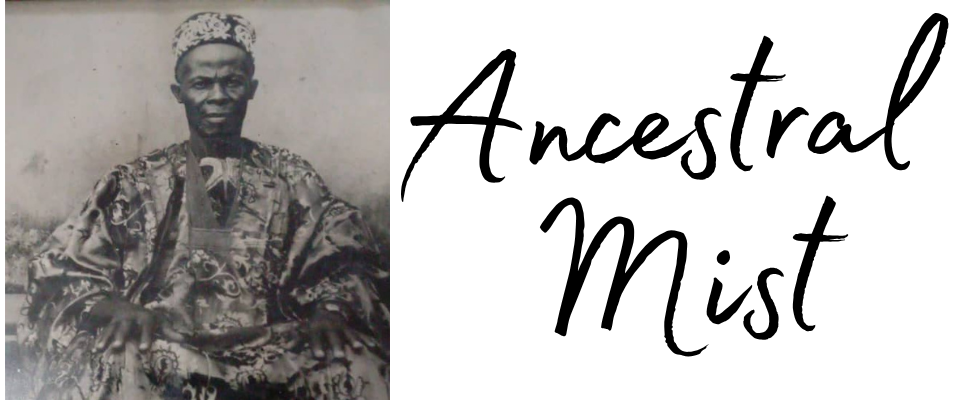
Research
Our research, which is still ongoing, asks how a speculative, visual approach to archival fragments can restore personhood to those obscured by the record. Our primary objectives are to design new paradigms for ancestral recovery through the collection and visualization of data from 19th-century notary records, manumission accounts, and family oral histories.
Research Questions:
1. How do we account for the silence surrounding untold family stories? By moving beyond the static limitations of the ledger, we aim to bridge the gap that obscures stories when they become too difficult to be handed down.
2. How can the creation of ancestral portraiture, poetry and stories dismantle the historic anonymity of the transatlantic archive? We examine how the act of visualizing these faces allows us to meet the gaze of our ancestors, transforming them from unnamed (renamed) subjects of state control into active agents of their own historical narratives.
3. How do we track and mend the secondary erasure that occurs when families disperse across continents and generations?
4. How does shifting our focus to the domestic spaces and everyday crafts of ordinary artisans reshape our understanding of familial survival within the Aguda return movement? We investigate how reconstructing the textures of daily work and home life reveals the quiet, intergenerational strategies families used to maintain their connections and endure, challenging dominant, wealth-centric historical narratives.
Ancestral Mist employs a Digital Imaginarium to transform fragmented data into a cohesive, multidimensional storytelling experience. Unlike traditional databases that prioritize information extraction, our platform emphasizes recognition and resonance. We are developing:
- Ancestral Portraiture: Using digital and visual art to speculate into being the likenesses of ancestors based on the biological cartography of living descendants.
- 3D Spatial Models: Constructing immersive environments that recreate the workshops and domestic spheres of 19th-century artisans, allowing users to navigate the textures of a reclaimed home.
- Speculative Narratives: Weaving micro-essays and poetry with archival fragments to provide a human, breathable context to the data of departures and arrivals.
Through these tools, we seek to reconstruct the identities of the Antonio Caetano lineage, moving from a series of dates and fragments to a monument of familial survival. Our visual and spatial approach enables researchers, descendants, and the public to experience the Aguda return not as a historical abstraction, but as a visceral, enduring reality. We seek to understand how this blend of research and imagination can fill critical gaps in the Atlantic diaspora, helping us better understand the complex questions of identity, agency, and return.
SELECTED PRESENTATIONS & PUBLICATIONS
- Verissimo, Jumoke. “Ancestral Mist”. Memory Studies Association, forthcoming Aug. 2026.
- Verissimo, Jumoke. “Excavating Afro-Brazilian Ancestral Return-Migration.” Myth, Memory and the Poetic Unearthing of History, National Association of Writers in Education (NAWE), 8–9 Nov. 2025, UK.
- Verissimo, Jumoke. “Autoethnography and Memoir: Decolonial Narratives of Refuge and Belonging.” Canadian Association for Postcolonial Studies (CAPS), 2 June 2025, Toronto Metropolitan University, Toronto.